

Key drivers in food and beverage choices
Today’s consumers say they want healthy food, which they may define by the presence or absence of certain ingredients, such as protein, fibre, and by getting more nutritional value from the calories they consume.


However, when it comes down to which options they choose, taste and price still play a part in the final decision. Understanding what consumers are looking for can help foodservice operators respond to evolving expectations around nutrition.
What consumers want (and don’t want) in food and beverages
A recent global study showed that more people are keeping track of calories and seeking out specific nutrients, not just food that promises generic “wellness.” In fact, 18% of those surveyed are keeping track of calories. Meanwhile, 41% of adults are trying to eat more protein, and 24% of consumers are looking for fibre on food labels.
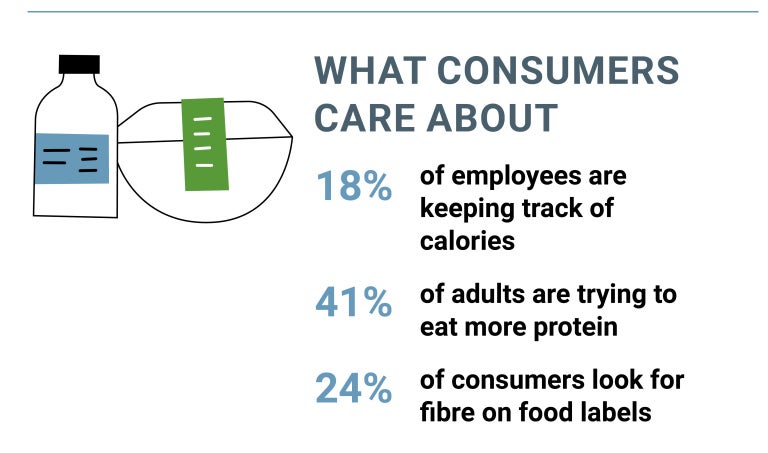
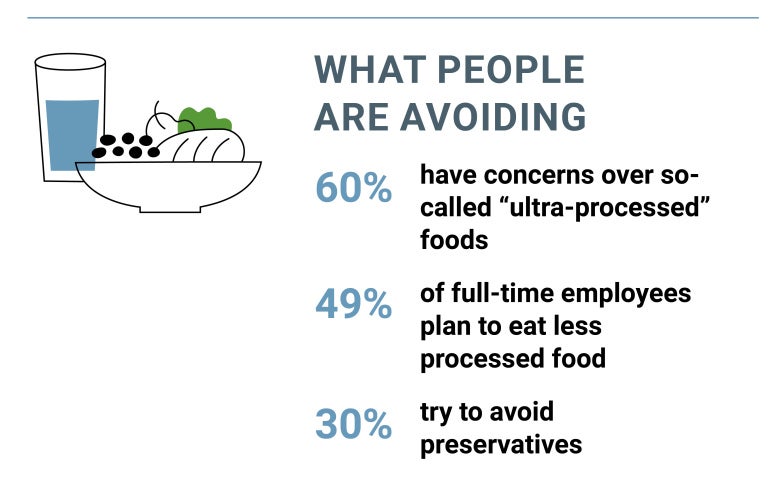
At the same time, guests are making attempts to avoid certain ingredients in the foods and beverages they consume. In a recent survey, 60% have concerns over so-called “ultra-processed foods”, and 30% try to avoid preservatives2. Instead, they favour simple, recognizable ingredients over long ingredient lists containing artificial colours and other “chemical-sounding” ingredient.1, 2, 3, 4
How businesses are adjusting to changing nutrition and health preferences
Some operations are already shifting their offerings to sync up with consumers’ changing demands. As one Purchasing Manager in Europe explained, “People are being much more intentional about what they choose now. It’s less about eating more and more about choosing something that actually does a job… keeps them full, keeps their energy up… without feeling heavy.”
Another Senior Purchasing Manager in the US confirmed this trend, saying, “Everyone is starting to flirt a little bit more with the idea of ‘healthier,’ we just need to pull the reality into the vision. And it’s also going to be education on the end user side. Once you see how much you’re actually taking in and what you should be taking in to feel good and to be healthy, things change pretty quickly.”5
This is already translating into changes across foodservice. In workplace foodservice, for example, one leading operator achieved its target of making 33% of its menus plant-based, while another is reformulating hundreds of recipes and increase fresh fruit, vegetables and wholegrains. In convenience and grab & go, operators are expanding their offers with options ranging from fresh, high-protein wraps, salads and hot meals to functional beverages such as protein shakes, enhanced waters and sugar-free hydration options. 5
There is also evidence of growing consumer willingness to pay for these benefits. In the convenience channel, 28% of consumers say they are willing to pay more for products with clear health and nutritional properties, an increase of 96% since 2021.
Growing interest in nutrition, but taste and price remain key drivers
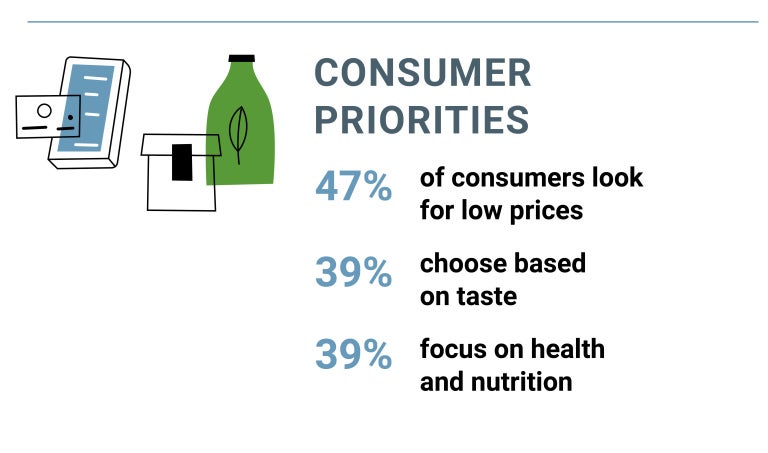
Despite growing interest in nutrition, taste and price remain important factors. For example, in one study, 47% of consumers claimed they were looking for low prices, and 39% were choosing foods and beverages based on taste6. In the end, taste and price still heavily influence buying decisions unless nutrition directly supports the customer’s goals. That makes it crucial for foodservice businesses that want to stay competitive to consider every factor from balanced nutrition to taste, convenience, and affordability.
Frequently Asked Questions
Sources:
1Euromonitor Consumer Lifestyles Survey, Eating and Drinking, 2026.
2Euromonitor Health and Nutrition Survey, Ingredients and Labels, 2025. .
3Circana Eating Patterns, 2025.
4PwC’s Voice of the Consumer. A New Recipe for the Food Industry. 2025. www.Pwc.Com/Gx/En/Issues/c-Suite- Insights/Pwc-Voice-of-the-Consumer- Survey-2025.Pdf (10 July 2026).
5Euromonitor Custom Research on Nutrition Health and Wellness in B&I and CVS, Operators Interview. 2026.
6Euromonitor Consumer Lifestyles Survey, Path to Purchase, 2026.